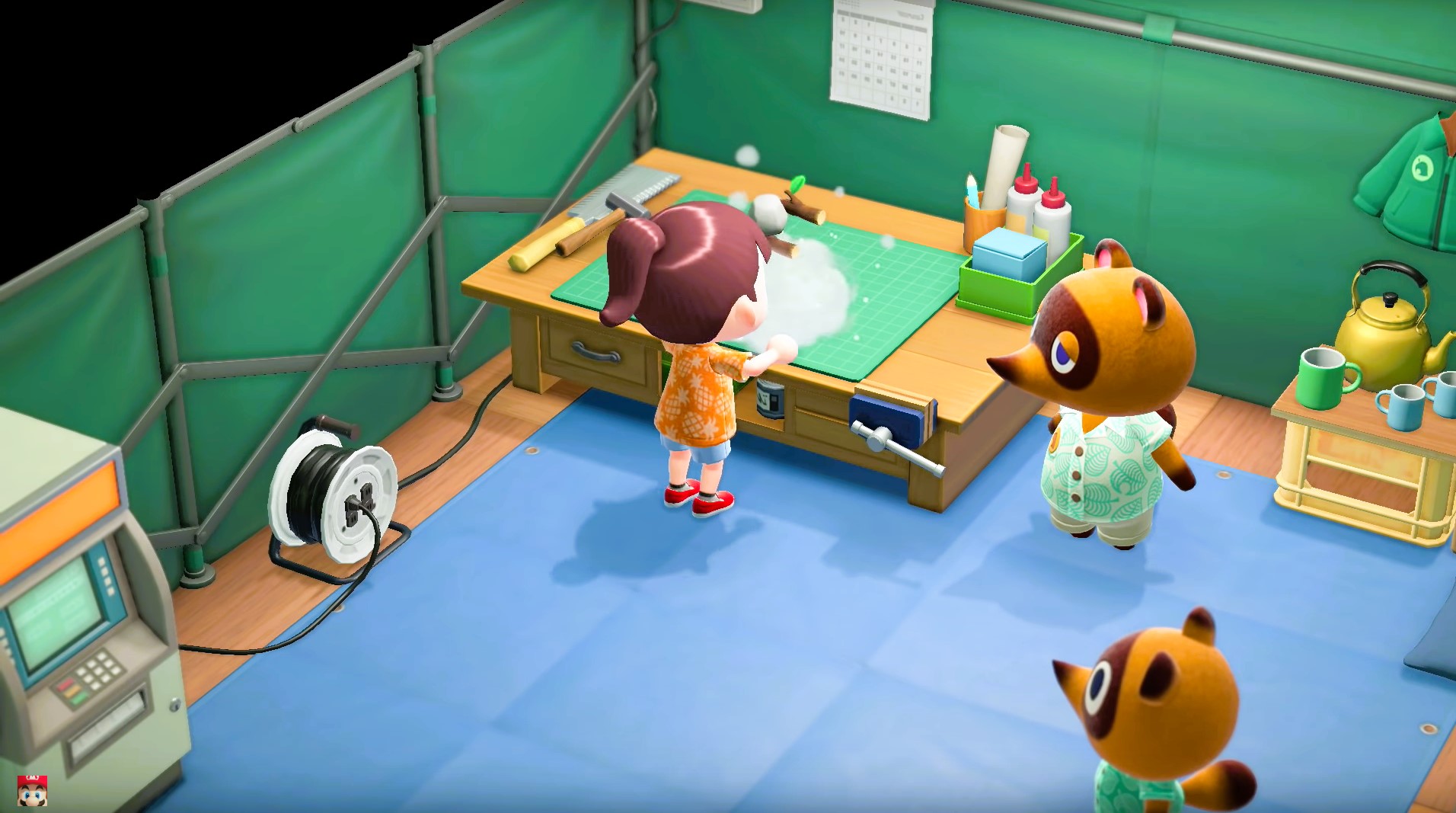

Designing Mechanics for Social Interaction in Games: Fostering Connection and Engagement
In the world of gaming, social interaction has become an essential aspect of the overall player experience. Whether it’s teaming up with friends, competing against rivals, or simply engaging in virtual conversations, the ability to connect with others adds depth and excitement to gameplay. As game developers strive to create immersive and engaging experiences, designing mechanics that promote social interaction has become a key focus.
What is social interaction in gaming, and aternos free minecraft server why is it important? Social interaction in gaming refers to the ways in which players engage with each other within a game environment. This can include chatting with other players, forming alliances, competing against others, or even engaging in cooperative gameplay. The ability to interact with others not only adds a social element to the game but also enhances the overall gaming experience.
From building strong communities to fostering a sense of camaraderie among players, social interaction can have a profound impact on player engagement and retention. When players feel connected to others and have the opportunity to collaborate and compete with friends and strangers alike, they are more likely to invest time and effort into the game.
So, how can game developers design mechanics that encourage social interaction and foster connection among players? Here are a few key strategies to consider:
1. Create Opportunities for Collaboration: One of the most effective ways to promote social interaction in games is to incorporate mechanics that encourage collaboration among players. This could involve allowing players to team up to achieve common goals, share resources, or strategize together to overcome challenges. By fostering a sense of teamwork and cooperation, players are more likely to engage with one another and form lasting connections within the game.
2. Implement Social Features: Social features such as in-game chat, friend lists, and guild systems can facilitate communication and interaction among players. These features allow players to connect with each other, form relationships, and stay engaged with the game over time. By providing players with the tools they need to communicate and collaborate, game developers can create a vibrant and active community within their game.
3. Reward Social Interaction: Another effective way to promote social interaction in games is to reward players for engaging with others. This could involve providing bonuses for teaming up with friends, completing cooperative challenges, or participating in social events. By incentivizing social interaction, game developers can encourage players to connect with others and actively participate in the social aspects of the game.
4. Design Multiplayer Modes: Multiplayer modes such as co-op missions, team-based gameplay, and competitive matches can provide players with opportunities to interact with others in a meaningful way. By designing engaging and dynamic multiplayer experiences, game developers can create a social environment that encourages players to collaborate, compete, and connect with each other.
5. Incorporate Player Feedback: Listening to player feedback and incorporating their suggestions for enhancing social interaction can help game developers create a more engaging and player-friendly experience. By actively seeking input from the community and implementing changes based on their feedback, developers can ensure that the game’s social mechanics are well-received and effectively promote connection among players.
In conclusion, designing mechanics that promote social interaction in games is essential for creating engaging and immersive experiences that keep players coming back for more. By incorporating collaboration opportunities, social features, rewards for interaction, multiplayer modes, and player feedback, game developers can create a dynamic and vibrant community within their game. Ultimately, fostering connection and engagement among players through social interaction can lead to a more satisfying and enjoyable gaming experience for everyone involved.